
Blogs
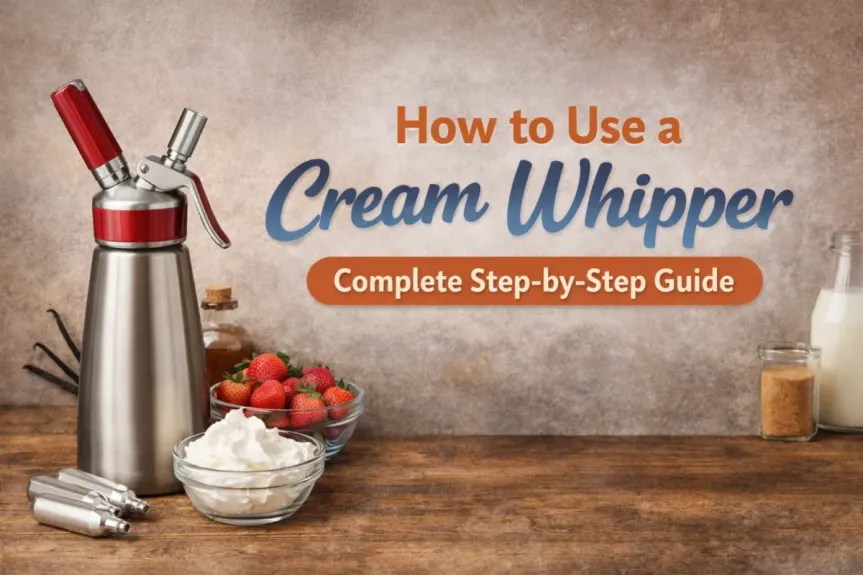
How to Use a Cream Whipper: Complete Step-by-Step Guide
Jan
Table of Contents
What is a Cream Whipper?
A cream whipper, also known as a whipped cream dispenser or siphon, is a professional-grade kitchen tool that transforms liquid cream into fluffy, light whipped cream in seconds. This elegant device uses pressurised nitrous oxide (N2O) chargers to aerate cream, producing consistent, restaurant-quality results every time.
Unlike traditional whipping methods that require elbow grease and timing, a cream whipper leverages the science of gas dissolution to create perfectly whipped cream with minimal effort. The device consists of a stainless steel or aluminium cylinder with an internal valve system, a trigger mechanism, and a threaded base where cream chargers are inserted.
Cream whippers come in various sizes, typically ranging from 0.25 litres to 1 litre capacity. Professional chefs and home cooks alike favour these devices for their speed, consistency, and versatility. Beyond whipped cream, creative cooks use them to create flavoured foams, mousses, and other aerated culinary creations.
The beauty of a cream whipper lies in its simplicity and reliability. Once you understand the basic principles, you’ll be producing perfect whipped cream for desserts, hot beverages, and culinary presentations with effortless consistency.
What You’ll Need
Before you begin creating perfect whipped cream, gather these essential items:
Cream Whipper
A pressurised dispenser in 0.25-1 litre capacity
Cream Chargers
N2O cartridges designed for cream whippers
Heavy Whipping Cream
Full-fat cream with at least 35% fat content
Sugar (Optional)
Caster sugar or icing sugar for sweetness
Flavourings (Optional)
Vanilla, chocolate, or other extracts
Measuring Equipment
Measuring jug or kitchen scale for precision
Ingredients Breakdown
- Cream: Use the freshest, highest-quality cream you can find. Cold cream whips more efficiently, so chill it for at least 30 minutes before use.
- Sugar: If making sweetened whipped cream, use approximately 10-15 grams of sugar per 200ml of cream. Icing sugar dissolves more quickly than caster sugar.
- Flavourings: A few drops of vanilla extract, a pinch of cinnamon, or cocoa powder can elevate your whipped cream. Add these after initial whisking for best results.
- Chargers: Standard N2O chargers are 8 grams each. One charger typically suits 0.5 litres of cream; use two for 1 litre dispensers.
Pro Tip
Always store your cream whipper and cream chargers in a cool place. Purchasing chargers in bulk from trusted suppliers like creamchargers.co.uk ensures you always have fresh, reliable products on hand.
Step-by-Step Instructions
Follow these detailed steps to create perfect whipped cream using your cream whipper:
Prepare Your Ingredients
Start by chilling all components. Pour your heavy whipping cream into the cream whipper cylinder. For a 0.5-litre whipper, use approximately 350-400ml of cream. For a 1-litre whipper, fill to around 600-700ml. This leaves adequate space for the gas to aerate the cream properly.
If making sweetened whipped cream, add your sugar now. For unsweetened cream, skip this step. Add any flavourings at this point as well—vanilla extract, instant espresso powder, or a pinch of sea salt all work beautifully.
Seal the Whipper
Carefully screw the head of the cream whipper onto the cylinder. Ensure the rubber seal or gasket inside the cap is positioned correctly and not damaged. Tighten firmly but do not over-tighten, as this can damage the sealing mechanism and compromise the whipper’s ability to pressurise properly.
A properly sealed whipper should feel snug without excessive force. You’ll develop a feel for the correct tension after a few uses.
Insert the Cream Charger
Locate the charger holder at the bottom of the whipper. Take one N2O cream charger and place it into the threaded holder. Screw the holder upward firmly until you hear a sharp hiss—this indicates the charger has pierced and is releasing its contents into the whipper. The piercing usually happens quite quickly and you’ll feel a slight resistance as the charger empties.
For whippers holding more than 0.5 litres, you may need to insert a second charger. Wait 10-15 seconds between chargers to allow the first one to fully dissolve into the cream.
Pressurise and Shake
Once the charger is inserted and the hissing stops, shake the whipper vigorously for 10-15 seconds. Hold it upright or at a slight angle and shake with moderate force. This shaking motion distributes the N2O evenly throughout the cream and begins the aeration process.
You’ll notice the whipper becoming slightly cooler to the touch as the gas expands inside—this is completely normal and demonstrates proper pressurisation.
Dispense Your Whipped Cream
Hold the whipper upright with the nozzle pointing downward. Gently squeeze the trigger to dispense the whipped cream. The first few squeezes will release any residual air; subsequent presses will dispense pure whipped cream. Apply steady, even pressure for consistent results.
For decorative applications, use a gentle squeeze and create swirls. For filling applications, use slightly more pressure to dispense larger quantities. The cream will maintain its whipped texture for several hours.
Store the Whipper Safely
After dispensing, hold the whipper upside down and gently squeeze the trigger to release any remaining pressure. This prevents accidental discharge if the whipper is knocked over. Store the whipper in a cool location, ideally in a refrigerator if you plan to use it again within a few hours.
Unused whipped cream will keep for 2-3 hours at room temperature or up to 24 hours refrigerated, though the texture is best within the first few hours of preparation.
Tips for Perfect Whipped Cream
Temperature Matters
Cold cream whips more efficiently and produces better volume. Aim for cream temperature between 4-8°C. If your kitchen is warm, place the filled (but not yet charged) whipper in the freezer for 5-10 minutes before inserting the charger. This small step makes a measurable difference in the final product.
Quality Chargers Make a Difference
Not all cream chargers are created equal. Inferior chargers may not fully dissolve or provide consistent pressure. Always purchase from reputable suppliers like creamchargers.co.uk to ensure you’re getting reliable, consistent products that deliver perfect results every time.
Proper Cream Fat Content
Cream must contain at least 35% fat to whip properly. Double cream (48% fat) and heavy whipping cream are ideal. Single cream or coffee cream won’t whip successfully, regardless of technique or charger quality. Check your cream’s fat content on the packaging.
Don’t Over-Charge
More chargers don’t equal better results. One charger per 0.5 litres is the standard ratio. Over-charging creates excessive pressure that can damage your whipper and produce cream that’s too stiff and loses its silky texture. Stick to the recommended ratio.
Shake Properly
The shaking motion is crucial. Use vertical, vigorous shakes rather than gentle rocking. Aim for 10-15 seconds of continuous shaking. This ensures even gas distribution and optimal aeration. A good shake takes practice, but you’ll develop muscle memory quickly.
Pro Tip
For flavoured whipped creams, consider infusing the base cream overnight with your desired flavour. For example, steep a vanilla pod in cream for 24 hours before using in your whipper. The results are far superior to adding extracts, which can sometimes taste artificial.
Consistency Control
The firmness of your whipped cream is controlled by how much you dispense and how quickly. For soft, billowy clouds, press the trigger briefly and stop. For thicker cream suitable for piping, dispense more product. Practise with small amounts to understand your whipper’s characteristics.
Common Mistakes to Avoid
Using Warm Cream
Warm cream won’t whip properly and may leak from the nozzle. Always ensure your cream is thoroughly chilled before use. If you’re having problems with your dispenser not producing whipped cream, check the temperature first—this is the most common cause of poor results.
Overfilling the Whipper
Filling beyond the recommended level leaves insufficient space for gas aeration. This results in product that doesn’t whip properly and may leak. The sweet spot is typically two-thirds to three-quarters full, depending on your whipper model.
Important
Never exceed the maximum fill line marked on your whipper. Overfilling can cause dangerous pressure buildup and malfunction. Always refer to your specific model’s instructions for maximum capacity.
Forgetting to Release Pressure
Always hold the whipper upside down and press the trigger gently to release residual pressure before refilling or storing. Failing to do this can make the whipper unsafe and affect its longevity. This takes just seconds but is a critical step.
Using Expired Cream
Expired cream has a sour taste and won’t whip properly. Always check the expiration date and use cream within a few days of purchase for best results. Fresh cream is worth sourcing from a quality supplier.
Damaged Seals
If your whipper is leaking or not pressurising properly, the rubber seal may be damaged or dirty. Clean the seal with warm water and inspect for cracks. A damaged seal renders the whipper unusable until replaced. Most suppliers can provide replacement seals or gaskets.
Wrong Charger Type
Ensure you’re using N2O (nitrous oxide) chargers designed specifically for cream whippers. Never use CO2 chargers, air pump cartridges, or other types. Using incorrect charger types can damage your whipper or produce unsuitable results. Only purchase from reputable sources.
Insufficient Shaking
Light shaking won’t adequately distribute the gas. Your cream needs vigorous, purposeful shakes to whip properly. If your whipped cream is too thin or foamy, insufficient shaking is likely the cause. Develop confidence in shaking firmly and consistently.
How to Clean Your Cream Whipper
Daily Cleaning Procedure
Proper maintenance extends your whipper’s lifespan and ensures consistent performance:
- Release Pressure: Always hold the whipper upside down and press the trigger to release all internal pressure before disassembling.
- Unscrew the Head: Carefully unscrew the head from the cylinder. If it’s stuck, run warm water over the threads to loosen it slightly.
- Rinse the Internal Components: Rinse the head, seal, and the inside of the cylinder with warm water. Use a bottle brush or soft sponge to remove any cream residue.
- Clean the Nozzle: The dispensing nozzle can accumulate dried cream and become blocked. Soak it in warm water for a few minutes, then use a thin brush or toothpick to clear any blockages gently.
- Check the Seal: Inspect the rubber gasket or seal for damage or debris. Clean it gently with a soft cloth.
- Dry Thoroughly: Pat all components dry with a clean cloth before reassembling. Any residual moisture can affect performance.
- Reassemble: Screw the head back onto the cylinder firmly but without excessive force.
Deep Cleaning
Once weekly, perform a deeper clean:
- Soak all removable components (head, seal, nozzle) in a solution of equal parts white vinegar and warm water for 15 minutes.
- Use a bottle brush with the vinegar solution to scrub the interior thoroughly.
- Rinse multiple times with clean water until no vinegar smell remains.
- Dry everything completely before storage.
Removing Stubborn Residue
If cream has hardened inside your whipper:
- Fill the cylinder with warm water and a tablespoon of baking soda.
- Screw on the head and shake vigorously for 20-30 seconds.
- Unscrew, empty the mixture, and rinse thoroughly several times.
- Dry completely before next use.
Pro Tip
Never put a pressurised whipper in the dishwasher. Hand washing only is recommended to preserve the integrity of the seal and internal valve mechanisms.
Storage Best Practices
Store your clean, dry cream whipper in a cool, dry location. A kitchen cupboard or pantry is ideal. Avoid areas with extreme temperature fluctuations or high humidity. Never store with a charger inserted. Keep the whipper away from direct sunlight, which can degrade the rubber seal over time.
Frequently Asked Questions
Can I reuse cream chargers?
No, cream chargers are single-use only. Once a charger has been pierced and its contents released, it’s empty and cannot be refilled or reused. The charger is a disposable component of the process. Some people collect empty chargers for recycling if facilities are available in your area. Always dispose of used chargers responsibly and purchase fresh chargers from reputable suppliers like creamchargers.co.uk.
How long does whipped cream from a dispenser last?
Whipped cream dispensed from a cream whipper maintains its texture and quality for 2-3 hours at room temperature. If refrigerated, it will last up to 24 hours, though the texture gradually becomes slightly denser. The nitrous oxide gas keeps the cream aerated and stable, which is why it lasts longer than traditionally whipped cream. For best results, use the cream within a few hours of preparation.
Can I make savoury foams in a cream whipper?
Absolutely! Cream whippers are incredibly versatile and can create savoury foams, broths, and aerated sauces. Try infusing chicken or vegetable stock with herbs, chilling thoroughly, then dispensing through your whipper for an elegant savoury foam. Balsamic vinegar reductions, truffle-infused oils, and cheese-based liquids also work beautifully. The key is ensuring your base liquid has adequate fat content or body to support aeration. Experiment with your favourite flavours.
Is it safe to use cream whippers?
Yes, cream whippers are very safe when used correctly. The devices are designed with safety features including pressure valves and are manufactured to strict standards. Always follow the manufacturer’s instructions, never exceed recommended fill levels, and always release pressure before opening or storing. Never point the whipper at yourself or others while pressurised. Treat it with the same respect you would a pressurised vessel. When handled properly, cream whippers are no more dangerous than a standard kitchen appliance.
What’s the difference between a cream whipper and a siphon?
The terms “cream whipper” and “siphon” are often used interchangeably, but siphon is the more technical term referring to any pressurised dispenser that uses gas cartridges. A cream whipper is a specific type of siphon designed primarily for whipped cream production. However, siphons can be used for far more applications—mousses, foams, aerated vinaigrettes, and much more. Both use the same basic mechanism and charger types. For home bakers, “cream whipper” is the more common term.
Why isn’t my whipped cream coming out whipped?
This usually indicates one of several issues: your cream is too warm (refrigerate and try again), you haven’t shaken the whipper vigorously enough, the charger didn’t properly pierce (try inserting a new one), your cream’s fat content is too low (use double cream instead), or the rubber seal is damaged or dirty (clean and inspect it). Start by troubleshooting these common causes. If the problem persists after trying these steps, your whipper may have an internal valve issue requiring repair or replacement.
How many chargers should I use?
The standard guideline is one N2O charger per 0.5 litres of cream. So a 0.5-litre whipper uses one charger, a 1-litre whipper uses two chargers. Using more chargers than recommended won’t produce better results—it will simply increase pressure and can damage your equipment. It’s better to use exactly the recommended amount. If you’re unsure, check your whipper’s manual or contact the manufacturer for specific guidance.
Where can I purchase quality cream chargers?
Quality matters significantly with cream chargers. We recommend purchasing from established suppliers like creamchargers.co.uk, which specialises in reliable chargers and dispensers. Buying from reputable sources ensures you receive consistent, properly manufactured products that deliver excellent results. Avoid suspiciously cheap chargers from unknown sellers, as quality control may be compromised. Bulk purchasing from trusted suppliers often offers excellent value for regular users.
